
The Soul of South India — Tourist Attractions in Madurai
Fourteen towering gopurams. Jasmine-scented streets older than most nations. And just two hours away, a misty hill station that will make you forget the heat entirely.
Madurai — Where History Never Sleeps
Madurai is one of the oldest continuously inhabited cities in the world — older than Rome, older than Athens, and humming with a life force that no amount of modernity has managed to dilute. Situated in the heart of Tamil Nadu along the Vaigai River, the city has been a seat of Tamil culture, literature, and devotion for over 2,500 years. Its skyline is defined not by towers of glass but by the colossal, colour-encrusted gopurams of the Meenakshi Amman Temple — a structure so overwhelming it takes most first-time visitors a full moment of stunned silence before they find words.
Walking through Madurai feels like peeling back layers of time. The streets around the temple have been selling jasmine garlands, silk sarees, and brass idols in roughly the same spots for centuries. The air carries the sharp sweetness of fresh flowers and the distant percussion of temple drummers. And when the heat of the city begins to feel like too much, Kodaikanal — Tamil Nadu's beloved hill station — waits just 120 kilometres north, a cool green exhale at 2,100 metres above sea level. Many of the finest hill station packages from Madurai begin and end right here, making the city a natural gateway for the highlands.

The Best Tourist Attractions in Madurai
These are the places that make people rebook their flights home. Madurai's most-loved tourist attractions range from the cosmically grand to the intimately human — and together they tell a story no history book can fully hold.
Meenakshi Amman Temple
The spiritual and architectural heart of Madurai, this sprawling temple complex covers 45 acres and houses 14 gopurams — the tallest rising 51.9 metres and encrusted with over 33,000 sculpted figures. The inner sanctum glows with oil lamps and the scent of incense that has burned here continuously for centuries. Go at dawn to witness the deity's procession and avoid the thickest crowds. The evening aarti, when drumbeats fill the corridors and thousands of lamps are lit at once, is the kind of experience that refuses to leave you.
View on Google Maps →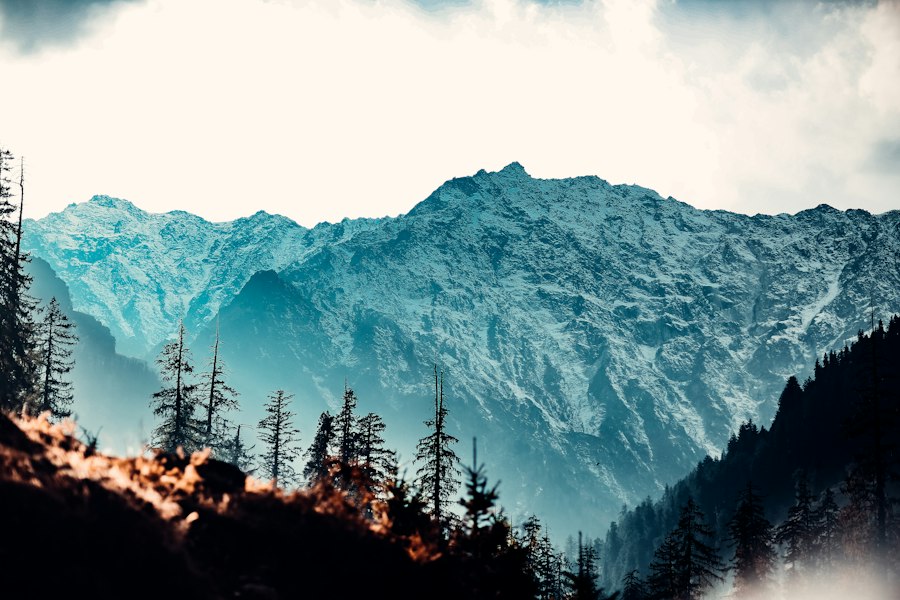
Thirumalai Nayak Palace
Built in 1636 by King Thirumalai Nayak, this grand palace fuses Dravidian and Italian Baroque styles in a way that shouldn't work but absolutely does. The immense pillared courtyard — each pillar carved from a single block of stone — creates an acoustic and visual space unlike anything else in Tamil Nadu. Only a quarter of the original palace survives, yet what remains is vast. The Sound and Light Show held in the evenings brings the king's story to life under a warm Tamil sky. For anyone tracing Madurai tourism beyond the temple, this is the essential second stop.

Gandhi Museum
Inside a graceful colonial mansion, this museum holds one of the most quietly devastating exhibits in India: the bloodstained dhoti Mahatma Gandhi wore on the day of his assassination. Photographs, letters, and artefacts trace the full arc of India's independence movement, and a separate gallery is devoted to Gandhi's deep connection with Tamil Nadu. It isn't a large museum, but it is an emotionally weighty one. Most visitors leave quieter than they arrived. Madurai travel itineraries that skip this place miss something essential about why this city matters.

Alagar Kovil
Twenty-one kilometres northeast of Madurai's city centre, the road to Alagar Kovil climbs through a wildlife sanctuary before arriving at this ancient Vishnu temple set into the rocky flanks of the Alagar Hills. The temple itself dates to the early centuries of the Common Era, and its position — surrounded by jackals, peacocks, and old-growth forest — makes it feel genuinely apart from the world. The surrounding Alagar Hills Wildlife Sanctuary is one of the lesser-visited nature escapes near Madurai, offering short treks through dry deciduous forest for those who want to add a half-day of green to an otherwise heritage-heavy Madurai tour.
Vandiyur Mariamman Teppakulam
One of the largest temple tanks in India, this vast rectangular pool stretches 336 metres on each side and is fed by an underground channel connected to the Vaigai River — a feat of ancient hydraulic engineering still functioning today. At its centre sits a small island temple dedicated to Goddess Mariamman, accessible by boat during festivals. Each January, the Teppam float festival transforms the tank into a sea of oil lamps and flower garlands as devotees guide an elaborately decorated raft carrying the deity around the water in a ceremony that has changed very little over 400 years.

Pazhamudhir Cholai
One of the six Paadal Petra Sthalams — the holiest abodes of Lord Murugan in Tamil Nadu — Pazhamudhir Cholai sits within the forested hills near Alagar Kovil, roughly 25 kilometres from Madurai city. The shrine is ancient, the forest around it older still, and the climb to the main temple through canopied pathways is genuinely beautiful in the early morning when mist still clings to the treeline. For visitors combining Madurai sightseeing with a nearby hill station package to Kodaikanal, this temple makes a meaningful stop on the drive north — spiritual, scenic, and surprisingly uncrowded on weekdays.
We Plan So You Can Simply Arrive
Pleasant Tours has been arranging Madurai travel and hill station packages for travellers who want an experience rather than an itinerary printout. We know this city — not in the way a guidebook does, but in the way a local does. We know which auto-driver to trust outside the east gopuram, which restaurant makes the softest idli in Madurai, and which route to take out of the city on the morning drive north to Kodaikanal so that you catch the valley light just as the mist is lifting.
Our hill station packages from Madurai are built with real flexibility. Want two nights in the misty woods above Kodaikanal before returning to the temple city? Done. Prefer to fold Rameswaram into your Madurai tour and end with the sea breeze rather than the city heat? We'll map it out. Whatever shape your journey takes, we handle transport, accommodation, entry permissions, and local guiding — so you can give Madurai the full, unhurried attention it deserves.
Practical Tips for Your Madurai Trip
October through March is the sweet spot. The temperature stays between 22°C and 32°C, evenings are pleasantly cool, and festival season — including the spectacular Teppam float festival in January — falls within this window. Avoid May and June if you are sensitive to heat; the city regularly touches 40°C.
Madurai Airport (IXM) has direct flights from Chennai, Bengaluru, Mumbai, and several other Indian cities. The city is also well-connected by train — the Pandian Express and Vaigai Express from Chennai are the most comfortable options. By road, Madurai sits roughly 500 km from Chennai on NH44.
Non-Hindu visitors are welcome in most areas of Meenakshi Amman Temple but are not permitted in the innermost sanctums. Remove footwear before entering any temple precinct — there are paid shoe-deposit counters. Dress modestly; sarongs and stoles are available to borrow at the entrance. Early morning (6–8 AM) visits are cooler and less crowded.
Kodaikanal is 120 km north of Madurai — about 3.5 hours by road through the Palani Hills. Most travellers spend two days in Madurai, then continue to Kodaikanal for two or three nights before returning. The drive itself, especially the final hairpin stretch into the hills, is part of the experience. Book a Kodaikanal hill station package that includes pickup from your Madurai hotel to keep the transition seamless.
Madurai's food culture is one of its genuine tourist attractions. Start the morning with filter coffee and parotta at one of the old-town tiffin houses. For lunch, seek out kari dosa — a Madurai-specific preparation of crispy dosa filled with spiced minced meat — at a street stall near the east tower entrance. Jigarthanda, the city's famous cold drink of milk, sarsaparilla, almond resin, and ice cream, is non-negotiable on a hot afternoon.
Madurai hotels and tour vehicles book out quickly during festival periods, particularly for Pongal (January) and Chithirai Festival (April–May). If your visit coincides with these, book at least 6–8 weeks ahead. For combination hill station packages that include Madurai sightseeing and Kodaikanal stays, Pleasant Tours recommends confirming at least 3 weeks before travel to secure your preferred accommodation category.
Pingback: Thirumalai Nayakkar Palace in Madurai