What goes in your bag shapes every single day of your South India trip. The heat is real, the temple rules are enforced at the gate, and the ghat road to Kodaikanal doesn't care how good your waterproof boots look.
Most travel packing guides tell you to roll your clothes to save space, pack a power bank, and bring a rain jacket. All useful advice. None of it addresses the specific realities of travelling through Tamil Nadu's temple towns in April, or the moment you arrive at Ramanathaswamy and realise your linen trousers are see-through in the sun.
Packing for South India is a negotiation between three climates (the scorching Madurai plains, the cool Kodaikanal hilltop, and the humid Rameshwaram coast), one strict cultural dress code, and the knowledge that excellent cotton clothing is cheaper here than almost anywhere you'll find it — which means you can pack light and shop on arrival. The goal is not to bring everything. It is to bring exactly the right things.
Everything in this guide is drawn from watching what works and what doesn't, across three decades of itineraries, at every price point, for every kind of traveller.

Six categories, honestly assessed. What to bring, why it matters, and the one thing in each category that most people get wrong.
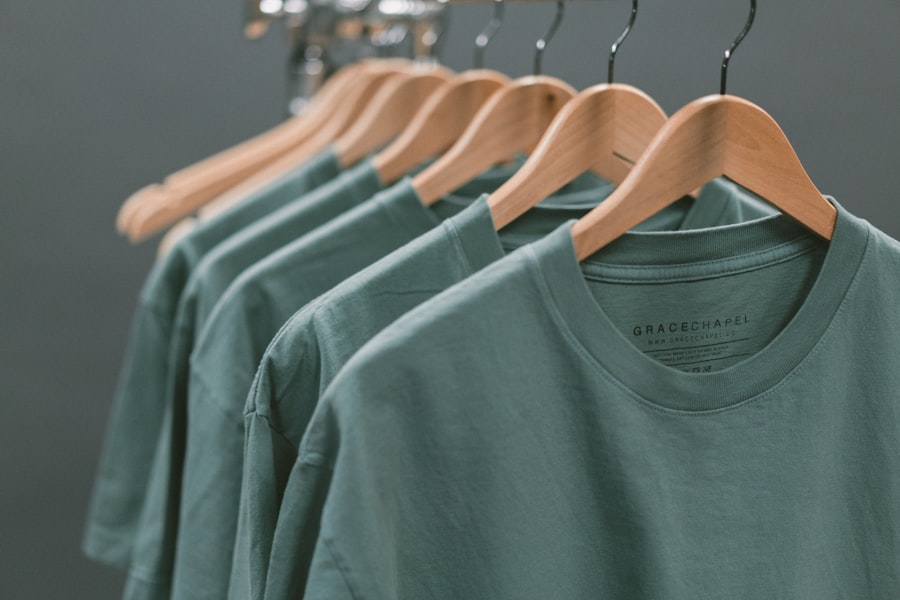
The heat on the Madurai plains is not the dry heat of Rajasthan. It is humid, persistent, and turns a synthetic shirt into a miserable second skin within twenty minutes of stepping outside. Cotton — loose, light, and preferably not black — is the only answer. The good news: Indian cotton kurtas, salwars and linen shirts are beautiful, cheap and available everywhere you land.
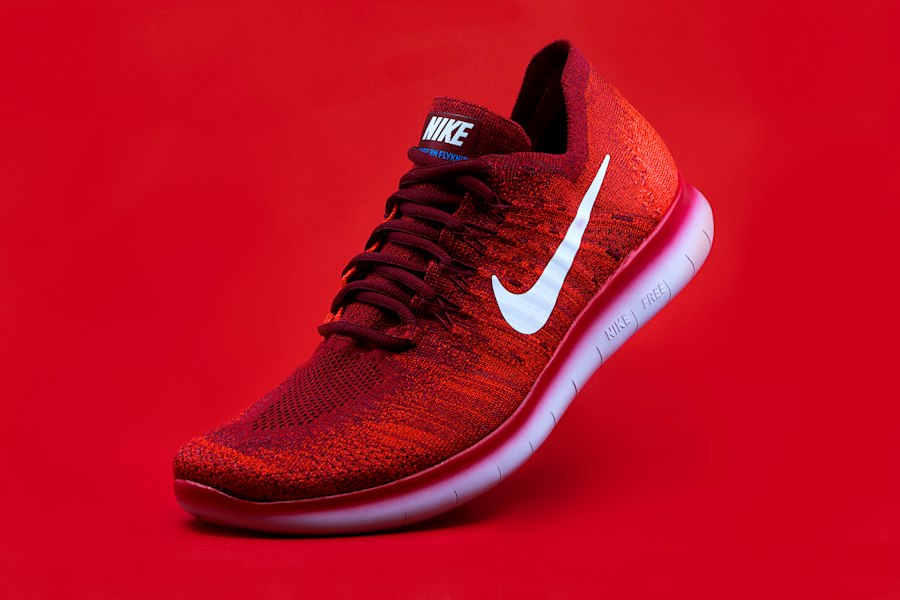
You will remove your shoes dozens of times a day in South India. At temple entrances, at homes you visit, at some restaurants. Every time you unlace a boot is dead time and mild embarrassment. Good leather sandals or Kolhapuri chappals handle temple walks, evening strolls, and restaurant floors with equal grace. The stone outside temples gets dangerously hot between 10am and 4pm — you'll also want socks for that.

The most-forgotten and most-important category. The Meenakshi Temple, Brihadeeswarar, and Ramanathaswamy all enforce their dress codes — covered shoulders, covered legs, often covered heads. They're not rude about it, but they will stop you at the gate. A small drawstring pouch in your daypack with five items solves every temple situation you'll face.

South Indian food is extraordinary. It is also heavily spiced, eaten in enormous quantities, and very different from what most first-time visitors are used to. The heat compounds everything. Most travel health issues here are not dramatic — they're an upset stomach on day two, mild dehydration from underestimating the sun, or a mild allergic reaction to something fragrant in the food. A small kit handles all of it.

South India's infrastructure is better than many visitors expect. The train network is excellent. 4G coverage is strong in all major cities and hill stations. But the inner corridors of a thousand-year-old temple have zero signal, the road to Kodaikanal has stretches where even Airtel gives up, and a dead phone on a ghat road at 7pm is genuinely stressful. Prepare accordingly.
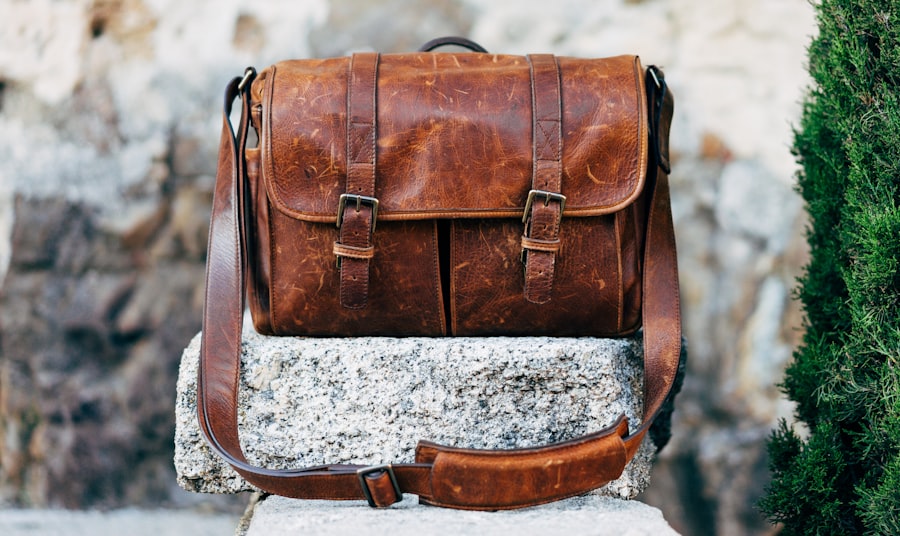
Your main luggage stays at the hotel. Your daypack is your entire life for twelve hours. It carries your temple kit, water, phone, wallet, shawl, and the extra outfit for Rameshwaram's theertham circuit. A 10–15 litre bag in canvas or cotton is ideal — large enough to hold everything, light enough to forget it's there. Avoid hard-frame packs; the crowds inside South Indian temples are real.

After three decades and thousands of itineraries, one pattern is clear: the item most often forgotten — and most urgently needed — is a simple cotton dupatta or light shawl. It weighs 80 grams. It covers shoulders and legs simultaneously. It doubles as a pillow on the overnight train. It costs ₹120 at a Madurai market if you forget it. And yet, visitor after visitor arrives at the temple gate without one.
Here are the five things our guests most wish they had packed — and didn't.
Every one of these has happened — many times, to many people. None of them are catastrophic. All of them are avoidable.
Jeans are heavy, they trap body heat like a storage heater, and they dry slowly in humidity. A pair of well-fitted cotton trousers does everything jeans do and weighs half as much. We understand the attachment. Leave them home anyway.
Temples, hills and beaches all need different footwear. Visitors who bring one pair of trainers find themselves either losing them at a temple entrance or wearing temple sandals on a forest trail. Two footwear choices — sandals and closed shoes — cover every scenario.
The Meenakshi Temple gate staff are polite and firm. No shorts for men. No sleeveless for women. No see-through fabrics. Many visitors stand 100 metres from one of the world's great architectural achievements, buying a flimsy rented wrap when a shawl from their bag would have done it in seconds.
South Indian chettinad food is extraordinary. It is also, for many first-time visitors, a violent introduction to chilli heat and tamarind acidity at levels they've never encountered. Pack antacid and eat cautiously on day one. By day three, your palate adjusts and you'll wonder why you were ever worried.
The ghat road from Kodaikanal Road station up to the hill station has exactly zero phone signal for stretches of 15–20 minutes. Google Maps needs to have been downloaded in advance. We've had guests navigate completely blind because they assumed connectivity.
Indian cotton clothing is some of the best in the world, and the Madurai markets sell beautifully made kurtas and salwars for ₹200–600. Many visitors pack so heavily they can't easily buy anything. Pack 50% of what you think you need. Buy the rest on day two.
Plastic waste is a real environmental problem at South Indian pilgrimage sites. A stainless steel insulated water bottle keeps water cold for six hours in 38°C heat, costs ₹350 in any Madurai shop, and means you're never caught in a temple complex with no water and no vendor in sight.
Some temple inner chambers and government-restricted areas require original government-issued photo ID — not a photocopy on your phone. Keep your passport accessible in your daypack, with a clear photo of it stored offline on your phone as backup.
Half of smart packing is knowing what to leave out. Every item below either makes your bag heavier than it needs to be, is available and better here, or simply doesn't work the way you expect in South India's climate and culture.

★ marks the essentials — the things that have caused problems when missing. Everything else is good to have but survivable without. If you pack only the starred items, you'll be fine.
Packing sorted. Now explore the rest of what makes South India travel work.
You've got the packing sorted. We'll take care of the itinerary, the driver who knows the ghat roads, the temple timings, and the restaurant our guides have been recommending since 1997. Call us or fill in a short form — we'll build you something real.