The meals you remember aren't at hotel buffets. They're down side streets, behind steamy windows, at tables where nobody speaks your language but everyone passes you the bread.
Start ReadingSkip tourist traps. Find the places locals argue about over dinner.
Practical food safety that doesn't steal the joy from trying new things.
Great travel food rarely costs much. Know where to spend and where to save.
Understanding food customs opens doors that money and guidebooks can't.
Here's what nobody tells you before your first international trip: the food will shape your memory of a place more than any monument ever will. A bowl of pho eaten on a plastic stool in Hanoi at 6 AM, the charcoal smoke drifting between motorbikes — that stays with you. The temple you visited that afternoon? You'll check the photos to remember what it looked like.
Good travel tips food knowledge isn't about being a "foodie." It's about participation. When you eat what the neighborhood eats, the way they eat it, you stop being a tourist for a few minutes. You become a guest. And guests get treated differently. They get the better portion, the off-menu dish, the grandmother's recipe that isn't written down anywhere. This page is your field guide to making that happen, wherever you land.
Six pillars every hungry traveler needs to understand before boarding that flight.
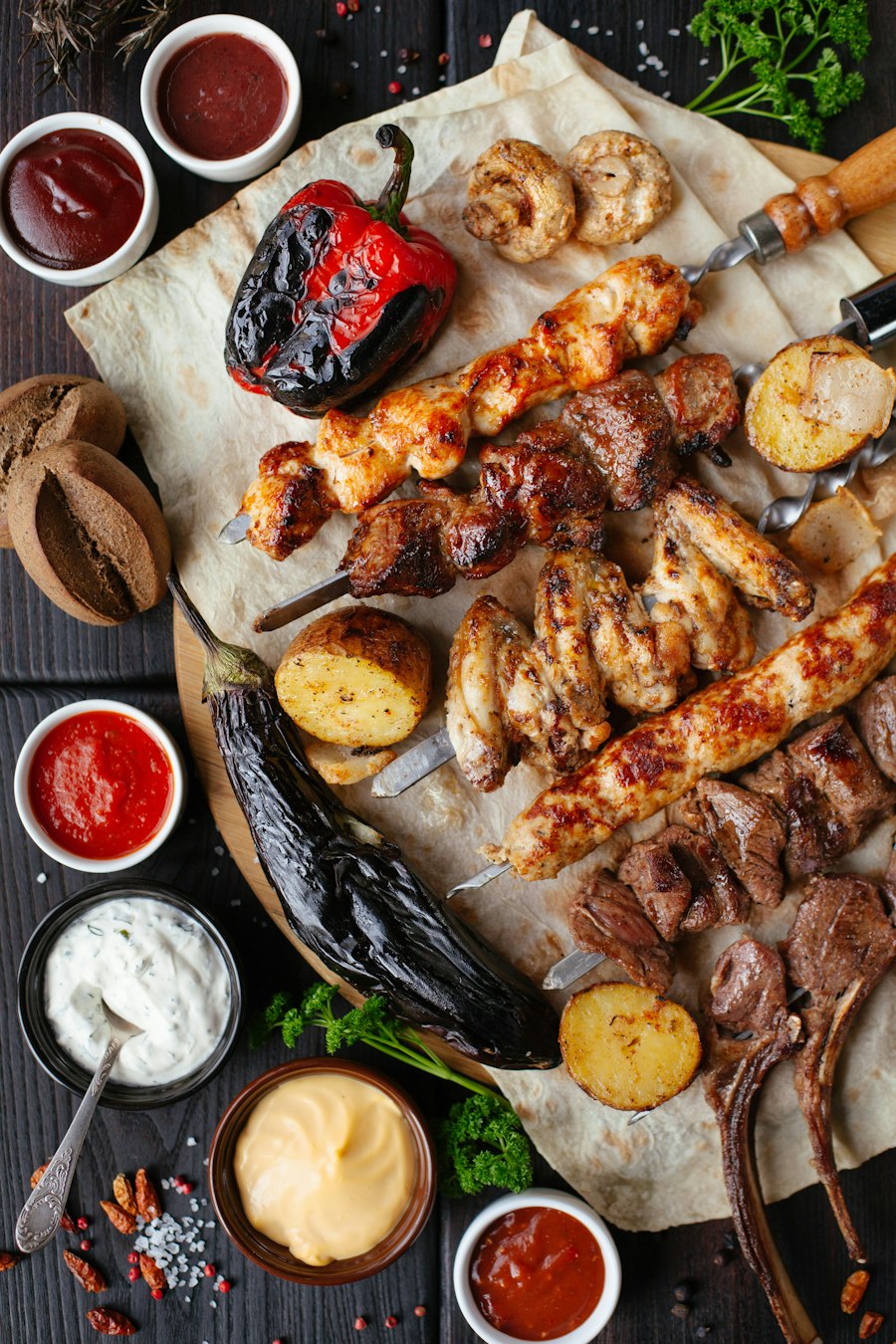
The line is always the first clue. If locals are waiting, the turnover is high — meaning everything is fresh. Watch for vendors who cook to order rather than from trays that have been sitting. Look at their hands, their workspace, and whether they use separate utensils for raw and cooked food. Trust the crowd. A stall with twenty locals is infinitely safer than an empty restaurant with laminated menus in four languages. For a broader look at staying healthy on the road, our travel tips safety guide covers everything beyond the plate.
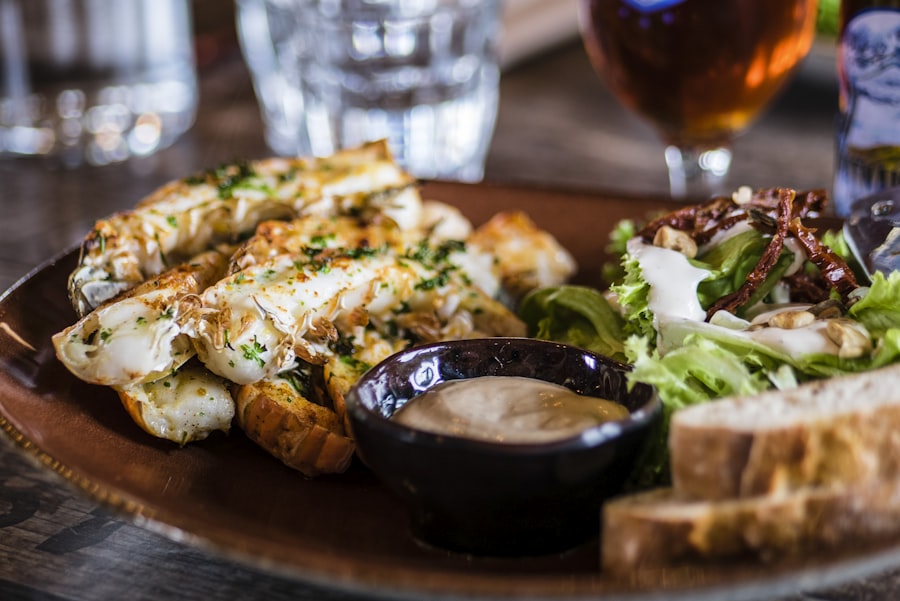
Walk past the restaurants that face the main road. Turn the corner. Go one more block. That's usually where the real travel tips food magic happens. Markets are your compass — follow the ingredient trail back to the kitchens that use them. Ask taxi drivers, hotel cleaning staff, and shopkeepers where they eat lunch. Not where they'd recommend for tourists. Where they personally sit down after work.
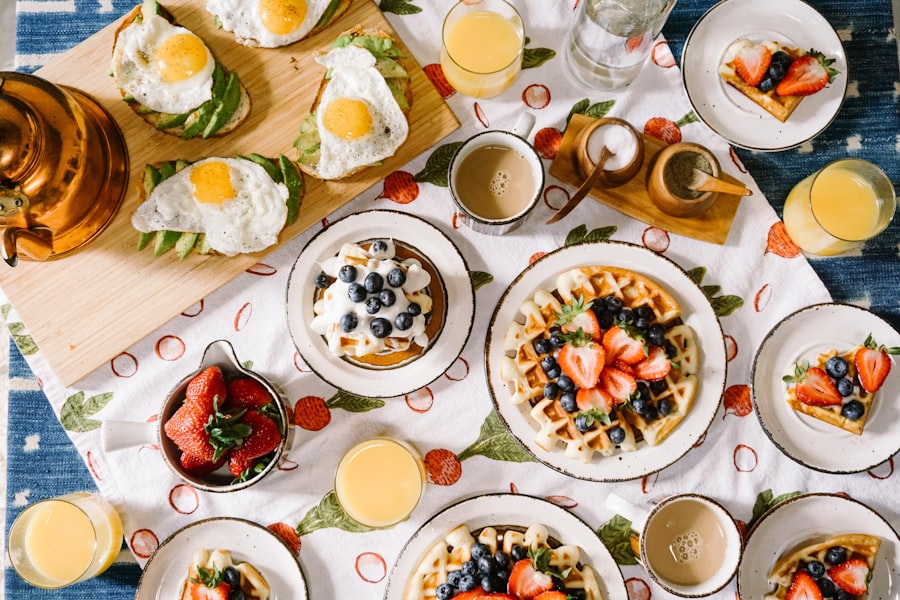
In most countries, the best food costs the least. That's not a consolation prize — it's the truth. Street food and market meals in Southeast Asia, Mexico, India, and North Africa will outperform mid-range restaurants at a fraction of the price. Allocate your food budget by rhythm: two cheap local meals, one slightly nicer dinner. Spend on ingredients, not ambiance. Your most memorable meal will probably cost less than your airport sandwich. Need help planning the numbers? Our travel tips budget guide breaks down daily spending across every category.
Allergies and dietary restrictions require homework before travel, not during. Learn the words for your allergens in the local language — not just the names, but the hidden forms. Peanut isn't just peanut; it's groundnut oil in West African sauces and satay paste in Thai kitchens. Carry a translated allergy card. Travel tips food veterans know that showing a card is faster and safer than trying to explain through gestures and Google Translate at a noisy street stall. Traveling with kids who have dietary needs adds another layer — our travel tips family page tackles that head-on.
In Japan, slurping your noodles signals appreciation. In Morocco, eating with your left hand is a genuine offense. In Ethiopia, feeding someone from your plate — gursha — is one of the highest acts of friendship. These aren't trivia facts. They're the difference between being welcomed warmly and creating an uncomfortable silence. Spend fifteen minutes researching food customs before each country. It costs nothing and earns everything. If you're navigating dining culture on your own, our travel tips solo page is full of strategies for eating alone with confidence.
Every great food city has a market that tells you more in thirty minutes than a guidebook can in thirty pages. Mercado de la Merced in Mexico City. Tsukiji's outer market in Tokyo. Borough Market in London. These places teach you what's in season, what's valued, and how ingredients travel from soil to table. Visit the market on your first morning. Let it set the rhythm of what you eat for the rest of the trip.
The travelers who eat best aren't the ones with the biggest budgets or the most refined palates. They're the ones who show up curious and unguarded. They point at what the person next to them is having. They accept the extra side dish they didn't order. They sit at the counter where the cook can see their reaction, because that silent feedback loop — cook watches, traveler tastes, cook smiles — is a conversation in itself.
This mindset isn't about being reckless. It's about being open without being naive. Understand basic food safety. Know your limits. But within those boundaries, say yes more than you say no. The worst meal you'll have from a genuine local kitchen will still be a story worth telling. The safest, most predictable restaurant meal won't be. If you want to take this further and actually eat inside local homes, read our travel tips homestay guide — because nothing compares to a meal someone cooks for you under their own roof.
Explore Food Destinations on Map
Hard-won advice from years of eating across borders, time zones, and comfort zones.
Eat lightly before landing. Give yourself enough hunger to explore without desperation driving you into the nearest chain restaurant at the airport. Your first local meal deserves an empty stomach and an open mind.
Stomach trouble is part of the territory, but it doesn't have to derail your trip. Activated charcoal tablets, basic electrolytes, and a small bottle of hand sanitizer are non-negotiable in any travel food kit. Prevention beats cure every single time. Our travel tips packing checklist covers every essential — including the food-related items most people forget.
When you find something incredible, photograph the menu, the sign, and the cross streets. Your future self — and every friend who asks for recommendations — will thank you. A geotagged photo of a menu board is the best travel tips food souvenir that exists.
Before learning "hello" and "thank you," learn the local words for water, spicy, no meat, delicious, and the bill. These five words will carry you further at a dinner table than any phrasebook chapter on directions or shopping.
Skip the hotel breakfast. Every culture has a morning food ritual that tells you how people here start their day — congee, ful medames, chilaquiles, idli sambar. These are the meals tourists rarely experience because they're downstairs eating toast and scrambled eggs.
Most cultures have a "daily set" — thali, prix fixe, menu del día, teishoku. It's always the best value, the freshest food, and a window into what the chef actually wants to cook today. Trust the set meal. It hasn't let anyone down yet.
Because the best food advice comes from real tables, not textbooks.
She was supposed to take the morning bus to Chiang Rai. But the khao soi at a stall three blocks from the guesthouse — a coconut-curry broth with crispy noodle nests and a squeeze of lime that made the whole bowl sing — convinced her to stay another day. She went back for lunch. And dinner. The cook, a woman in her sixties with hands that moved like muscle memory, eventually sat down across from her and shared a plate of som tam without a word. Sometimes the best travel tips food discovery is the one that makes you miss your bus on purpose. (When you do finally leave, our travel tips transport guide helps you get there without the stress.)
Chiang Mai, ThailandIn a small trattoria in Bologna, with zero Italian and a menu written entirely in cursive, he pointed at whatever the elderly couple next to him had ordered. What arrived was tortellini in brodo — small pockets of pork and Parmigiano swimming in a golden chicken broth so clean and concentrated it tasted like someone had distilled an entire Sunday afternoon into a bowl. The couple leaned over and nodded approvingly. He learned later it was the dish the city is most proud of. Travel tips food lesson: pride shows on the faces of the people eating it.
Bologna, ItalyAt the local food market, she watched a woman spend forty-five minutes assembling a single plate of jollof rice — tasting the tomato base three times, adjusting the scotch bonnet, waiting for the rice to form a crust at the bottom of the pot before serving. The food was extraordinary, but the real gift was watching the care. In a world that optimizes everything for speed, this woman's kitchen operated on a different clock. The best travel food is almost always the slowest.
Accra, Ghana