South India is one of the most generous destinations in the world for careful travellers. The best meals cost less than ₹150. The train from Madurai to Rameshwaram is ₹35. Knowing where the value lives — and where it doesn't — changes everything.
Most travel budget guides give you a single daily figure and call it done. That's not useful for South India, where a budget traveller eating at local stalls and sleeping in a guesthouse can spend ₹1,200 a day, while a mid-range traveller in an AC hotel with a driver will spend ₹4,500 — and both can have an extraordinary trip.
The numbers below are averages drawn from three decades of booking accommodation, transport and experiences across Madurai, Rameshwaram and Kodaikanal. They reflect what our guests actually spend, not what a guidebook from 2019 estimated. Prices for food at local restaurants have barely changed in ten years. Accommodation and driver costs have risen with the market.
The key travel tips budget insight: money spent on food in South India almost never correlates with quality. The ₹100 banana-leaf meal is almost always better than the ₹800 hotel buffet. Spend more on people — good local guides, a driver who knows the ghat road — and less on everything else.

Real cost ranges, by category, for a solo traveller. Multiply accommodation by 1.3–1.5 for pairs (not double — most double rooms cost the same as singles here).

The single most liberating travel tips budget fact about South India: the best food is almost always the cheapest. A full banana-leaf lunch in a local Madurai mess hall — sambar, rasam, three vegetable sides, rice, papad, and payasam — costs under ₹150 and is cooked fresh daily. Street food is even cheaper. Hotel restaurants are the most expensive option and rarely the best.
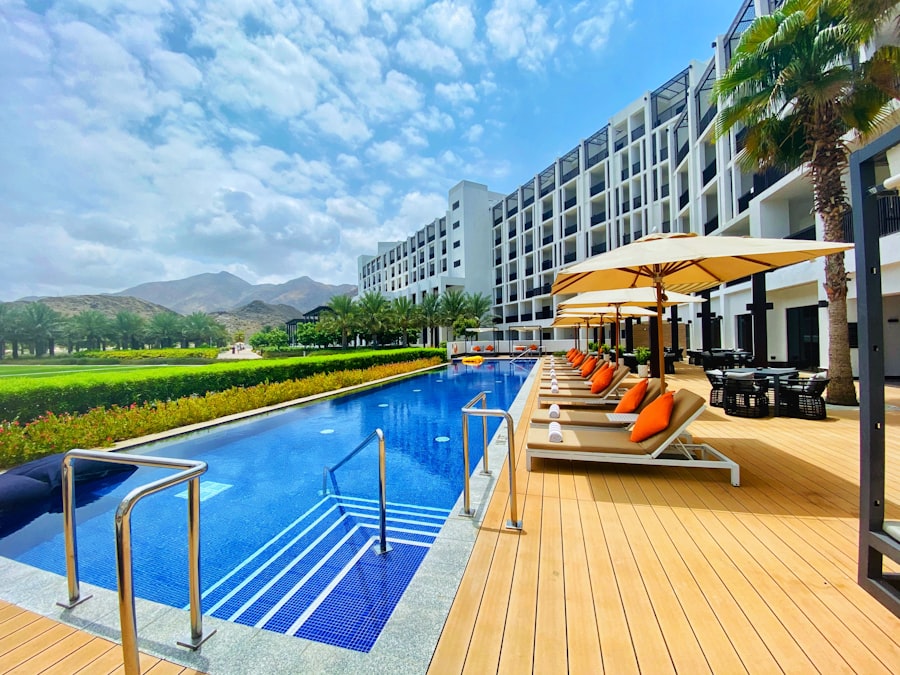
South India's budget guesthouse market is genuinely strong. A clean, centrally located room with AC, hot water, and Wi-Fi in Madurai or Rameshwaram can cost ₹600–900 a night. Mid-range hotels cluster between ₹1,500–3,000 and are usually excellent value. The jump to ₹5,000+ buys you heritage aesthetics more than amenities — worth it once, not every night.

This is where South India is genuinely remarkable for budget travellers. The Meenakshi Amman Temple, the Brihadeeswarar Temple, Rameshwaram's Ramanathaswamy and most of the region's greatest sights charge no entry fee or a token ₹10–50. The cost of seeing South India's best is almost nothing. Budget for guides (worth every rupee), photography passes, and the occasional boat or cable car.
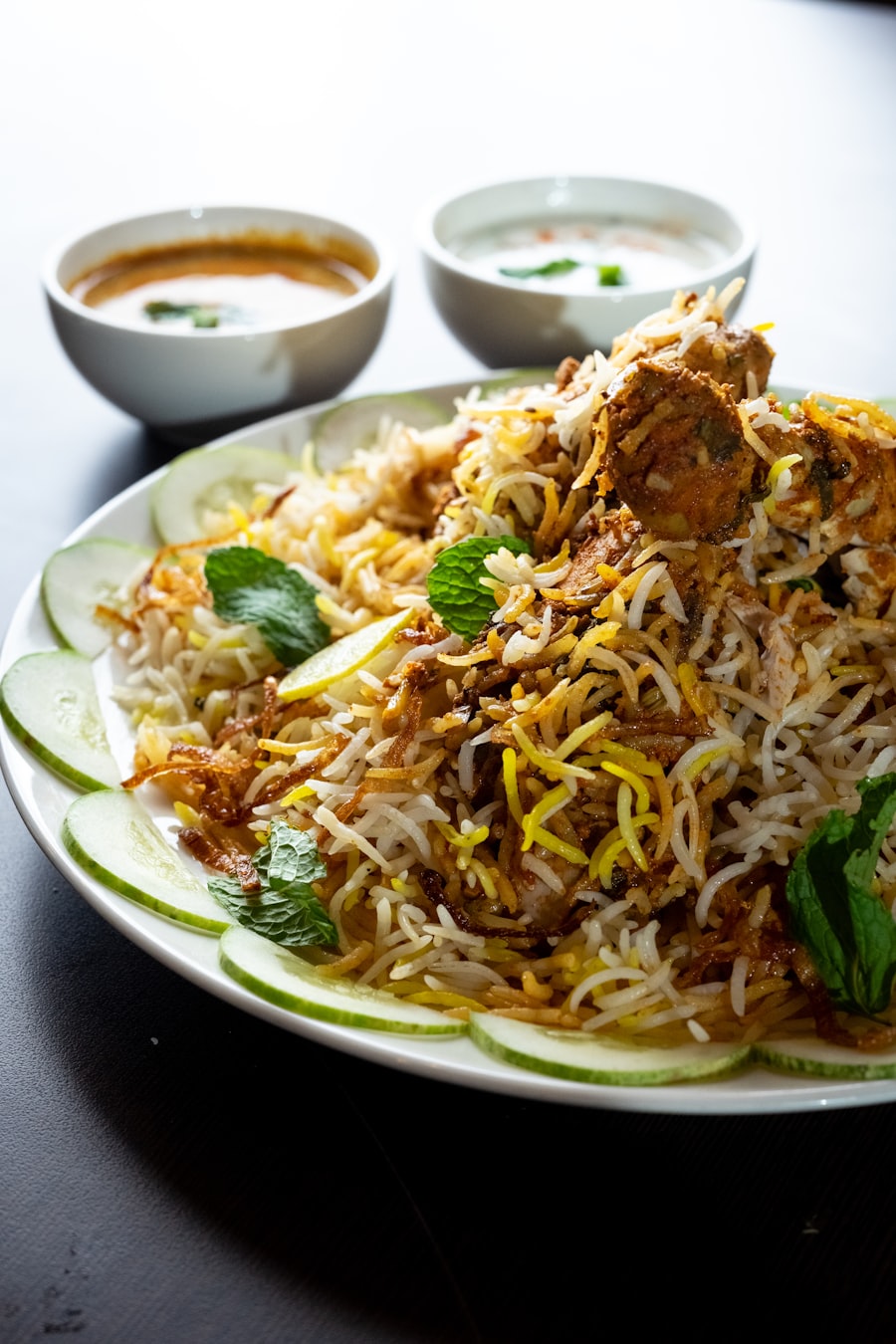
The most important travel tips budget rule about South India food: price and quality are inversely correlated until you get into the proper mid-range. The ₹80 banana-leaf lunch is made fresh daily from market-sourced produce, cooked by someone who has been doing it for thirty years, and served on a leaf that still smells of the banana tree. This is not a consolation prize. It is the prize.
Below are the types of places — and one specific location — where food is reliably excellent, safe, and cheap. The queue is always the real sign of quality: trust it.
The single most useful travel tips budget framework we know: ruthlessly cheap on food and transport, deliberately generous on the experiences that actually matter. South India rewards this perfectly.
Every mode, with real fares. The gap between the cheapest and most expensive option on the same route can be 50x. Choose based on time, safety and whether the road is a ghat.
The best value travel in South India, full stop. Sleeper class is safe, social and covers the ground between cities at a fraction of any other cost. Book on IRCTC at least two weeks ahead for confirmed seats.
Tamil Nadu's SETC and TNSTC networks are extensive, cheap and run on time more often than they don't. AC Volvo intercity buses are a step up in comfort for still very reasonable fares. Best for routes with no direct train connection.
The defining mode of intra-city travel in South India. Meters are rarely used in Madurai — agree a price before you get in, or use Ola/Rapido apps which show fixed fares. Short temple-to-hotel hops cost ₹60–120. Never pay more than ₹200 for any journey within Madurai city.
The ghat road to Kodaikanal is the one route where a private driver is a safety requirement, not a luxury. For all other point-to-point city travel, a shared auto or train is almost always better value. A full-day hired car covers roughly 250–300km and includes waiting time at temples.
The single most important travel tips budget warning for South India: festival dates turn a ₹900 hotel room into a ₹3,500 hotel room overnight, and an empty train into a three-week waiting list. None of this is unexpected if you know the Tamil calendar.
These are the dates when budgets stretch furthest — and why booking four to six weeks ahead is not just advisable, it's the difference between a planned trip and an improvised one.
Accumulated from three decades of watching what makes a South India trip cost half as much — without feeling like half a trip.
The IRCTC booking window opens 60 days before departure. For Pongal, Diwali and the Chithirai festival period, confirmed sleeper berths on key routes are gone in hours. Set a reminder, book on day one of the window.
Saves: ₹1,500+ vs taxiApp-based autos in Madurai show a fixed fare before you confirm. The same journey negotiated by hand on the street often costs 40–60% more if you look like a tourist. Install the app before you land.
Saves: ₹40–80 per rideThe southwest monsoon brings lower hotel prices, emptier temples, and Kodaikanal at its most vivid green. Budget guesthouses that cost ₹900 in December drop to ₹600. The only trade-off is an umbrella.
Saves: 25–40% on staysThe Madurai silk market operates on a three-price system: tourist price, local price, and real price. Walk away once, slowly. The vendor will follow with a lower figure. Walk away again. The real price emerges at the third offer.
Saves: 30–50% on shoppingDhanushkodi — the ghost town at the tip of Pamban island — is 20km from Rameshwaram and reachable by shared jeep for ₹80 return. No additional accommodation needed. One of the most extraordinary landscapes in South India, at essentially zero cost.
Cost: ₹80 totalThe Madurai temple town area, Rameshwaram, and Kodaikanal all have ATMs, but international transaction fees add ₹200–400 per withdrawal. Withdraw larger amounts less frequently, or use a travel card that waives foreign ATM fees.
Saves: ₹400–800 per tripA full-day hired car costs ₹2,500 regardless of how many people are in it. Three solo travellers who share a driver for a full-day Madurai–Rameshwaram circuit pay ₹833 each — cheaper than a bus, with the flexibility of a private vehicle.
Saves: ₹1,600+ per personEvery major South Indian temple has a cluster of overpriced, mediocre restaurants at its main entrance that exist entirely to catch tourists before they find the real food. Walk one street back from the temple, turn left, and find the queue.
Saves: ₹400–700 per mealBudget sorted. Here's the rest of what makes a South India trip work.
Whether you're travelling on ₹1,500 a day or ₹15,000, we know every route, every mess hall, and every ghat bend. Tell us what you're working with and we'll show you what's possible — no upselling, no padding.