The first thing that hits you isn't the temple. It's the jasmine — layered over diesel, layered over someone frying vadai at six in the morning. This is Madurai, and this is your guide to doing it right.
Madurai has been alive for over 2,500 years. When Greek ambassador Megasthenes visited in the 3rd century BC, this was already a thriving capital of the Pandya dynasty, trading spices and pearls with merchants from Rome and Arabia. That same energy — ancient, chaotic, generous — still pulses through its streets today.
But Madurai doesn't feel like a museum. It's the kind of place where a 1,000-year-old temple sits at the heart of a night market that's still serving fresh dosa at 2 AM. Where silk merchants have been running their families' shops for five generations. Where a stranger will stop you on the street not to sell you something, but to ask if you've tried the Jigarthanda shop around the corner.
This travel guide is written from the ground, by a team that has been showing people this city since 1994. Not the Wikipedia version. The real one.

Every corner of this city has a story. These are the places where those stories are loudest — the temples, the palaces, the tanks, and the hills that make Madurai unforgettable.
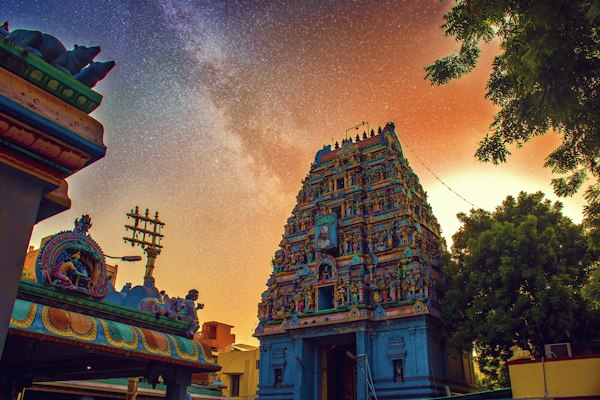
The heart of Madurai. Fourteen towering gopurams rise from the city centre, covered with over 33,000 sculpted figures painted in vivid colours. This isn't just a temple — it's a living, breathing city within a city, where worship has continued unbroken for centuries. Visit during the evening aarti when the energy peaks, or arrive at 5 AM opening for a rare, quiet encounter with the stone corridors.

Built in 1636 by King Thirumalai Nayak, this palace blends Dravidian grandeur with Islamic arches and Italian stucco work. The main courtyard is so vast it has its own weather — cooler inside, with light falling through arched corridors in ways that have inspired Bollywood filmmakers for decades. The evening sound-and-light show brings the Nayak dynasty alive, though honest opinion: the Tamil version is better than the English one.

One of only five Gandhi museums in India, and arguably the most moving. Housed in the 17th-century Tamukkam Palace, it holds the bloodstained cloth Mahatma Gandhi was wearing when he was assassinated. The gallery tracing India's freedom movement through photographs, letters, and personal belongings is worth at least an hour. Many visitors say this is the most powerful stop on their Madurai trip.
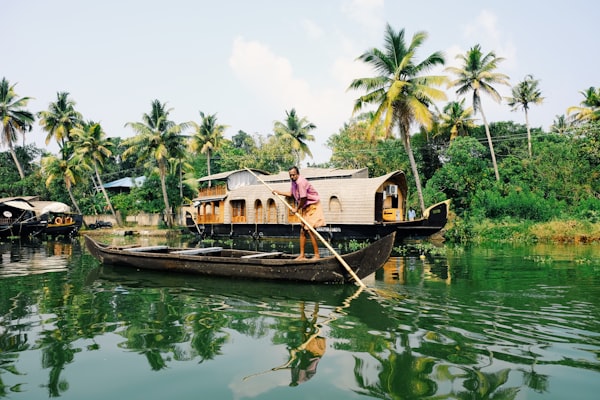
This massive temple tank, fed by an underground channel from the Vaigai River, spans five acres and surrounds a beautiful mandapam on a central island. For most of the year it's a calm, reflective space. But during the Thai Poosam Float Festival in January/February, it transforms — the deities of Meenakshi and Sundareswarar are floated across the illuminated water on decorated rafts, and thousands gather on the steps to watch.

Twenty minutes from the city centre, a rocky hillside holds secrets from the 1st century BCE. Tamil Jain monks carved beds, sculptures, and inscriptions into these caves over 2,000 years ago. The climb is moderate (about 20 minutes), and the view from the top reveals how Madurai sits in a broad plain ringed by low hills. Go early morning before the heat. Carry water. The lotus temple at the base is worth a quiet pause.

Perched on the Alagar Hills 21 km north of Madurai, this Vishnu temple is wrapped in dense greenery and silence — a startling contrast to the city's noise. The Dravidian architecture here is exquisite but rarely crowded. Local legend says Lord Vishnu comes down from this hill during the annual Chithirai festival to attend Meenakshi's wedding. The road up passes through a forest reserve, and if you're lucky, you'll spot monkeys and peacocks.
Madurai is the food capital of Tamil Nadu. This is not a polite claim made by the tourism board — it's a fact defended fiercely by every auto driver, shopkeeper, and grandmother in the city. The food here is bold, generous, and unapologetic.
Madurai's signature drink. Reduced milk, almond gum, sarsaparilla syrup, and hand-churned ice cream blended into something that tastes like cold, sweet history. The name literally means "cool heart" — and at 42°C in April, it lives up to it.
Not a bun. Not quite a parotta. Somewhere between the two — soft, buttery, slightly sweet, made with milk and eggs and skill passed down through families. Tear it apart, dip it in salna gravy, and you'll understand why Madurai's bun parotta has its own following.
Three layers of genius: a crispy dosa at the base, an egg omelette in the middle, and a layer of minced mutton keema on top. This is the Konar community's gift to the world. Served with sambar and chutney, it's an entire meal folded into one.
The sound of Madurai at midnight: metal scrapers rhythmically shredding parotta on a flat griddle, mixing it with egg, onion, and spices. The clanging of kothu parotta stalls near the East Tower is as much a part of the temple's evening soundtrack as the bells.
Cottonseed milk sweetened with jaggery and spiced with cardamom and ginger. A nutritious traditional drink that's harder to find in other cities. Evening pushcart vendors near the temple streets are your best bet.
Fluffy, almost sticky idlis served with four chutneys and a signature podi powder that people have been trying to reverse-engineer for years. Lines form early. The original branch is the one to visit — accept no substitutes.
Madurai is a year-round destination, but the experience changes dramatically with the seasons. Here's an honest, month-by-month breakdown to help you pick the right window.
The post-monsoon cool descends over the city, making temple walks and outdoor sightseeing genuinely comfortable. This is peak season for good reason. The Navaratri and Diwali festivals add cultural richness if your dates align.
Dry, mild, and perfect for photography. January brings the Float Festival at Teppakulam. The Chithirai Festival in April (late March start) is Madurai's grandest celebration — plan early as hotels fill fast.
Brutally hot. We won't sugarcoat it — midday sightseeing is punishing. But the Chithirai Festival in April is worth the sweat. If you visit, plan temple visits for early morning (5 AM opening) and evenings. Jigarthanda becomes essential, not optional.
Intermittent rains cool the city and everything turns lush green. Fewer tourists mean shorter queues at temples and better hotel rates. The Vaigai River comes alive. Carry an umbrella and embrace the occasional downpour — post-rain temple stone has a particular beauty.
Madurai sits at the crossroads of Tamil Nadu's most remarkable landscapes. The coast, the mountains, and the temple belt are all within striking distance.

One of India's holiest pilgrimage sites, connected to the mainland by the dramatic Pamban Bridge. The Ramanathaswamy Temple, with its 22 sacred wells and the longest temple corridor in India, is extraordinary. Add Dhanushkodi's ghost town and the APJ Abdul Kalam Memorial for a complete day.
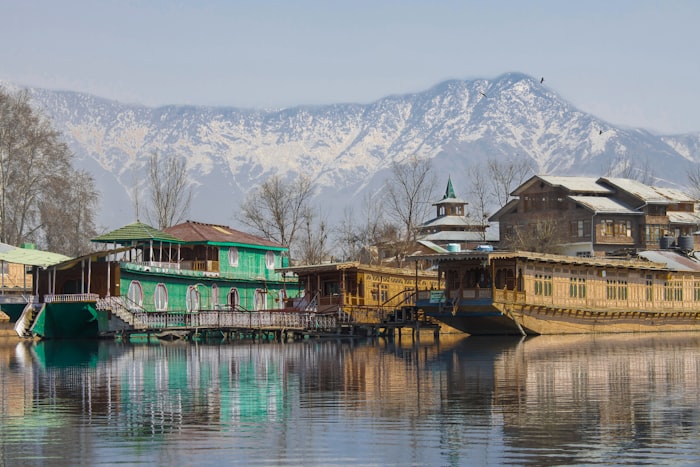
The "Princess of Hill Stations" rises 2,133 metres above Madurai's plains. Go from 40°C heat to 15°C mist in three hours. The star-shaped lake, Coaker's Walk, and Pillar Rocks are highlights, but the real magic is waking up above the clouds. Best as an overnight trip.
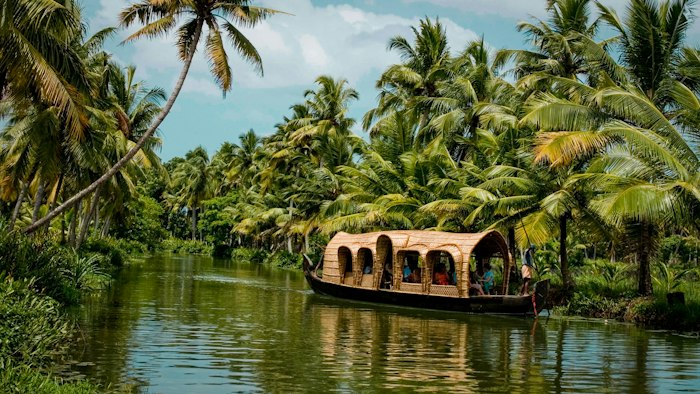
Crossing from Tamil Nadu into Kerala through Theni is one of South India's most scenic drives. Munnar's tea estates roll endlessly across the Western Ghats. The Eravikulam National Park and its Nilgiri Tahr, the tea museum, and morning walks through plantation mist make this a two-day favourite.
By Air: Madurai International Airport (IXM) has daily flights from Chennai, Bangalore, Hyderabad, Mumbai, and Delhi. The airport is 12 km from the city centre — about 30 minutes by taxi.
By Train: Madurai Junction is one of Tamil Nadu's major railway hubs, connected to Chennai (7–9 hrs), Bangalore (10 hrs), Mumbai, Delhi, and most major Indian cities. The station is right in the city centre, walking distance from the temple area.
By Road: Madurai sits on National Highway 44 and is well connected by bus to Chennai (460 km), Bangalore (430 km), Coimbatore (230 km), and all major South Indian cities. State buses and private operators run frequent services.
We offer airport, railway station, and bus stand pickup as part of all our tour packages. Let us know your arrival details and we'll be there.

Shoulders and knees must be covered. Most temples require you to remove shoes before entering. Carry a small bag for footwear — leaving shoes outside gets chaotic during festivals. Modesty matters here; it's not optional, it's respectful.
If you're visiting between March and June, restructure your day: temples from 5–8 AM, rest during midday, resume at 4 PM. Carry water, wear sunscreen, and treat Jigarthanda as medicine. The shade inside temple corridors is surprisingly cool.
Tamil is the primary language and Madurai takes pride in it. English works at hotels and tourist spots, but learning "Vanakkam" (hello) and "Nandri" (thank you) opens doors and smiles. Hindi is less commonly spoken here than in North India.
Auto-rickshaws are everywhere but negotiate fares before riding (or insist on the meter). For full-day sightseeing, a private car with a knowledgeable driver is genuinely the best investment — the driver becomes your guide, translator, and restaurant recommender.
UPI and card payments work at hotels and larger restaurants. Street food stalls and smaller shops often prefer cash. ATMs are plentiful. Temple donations and offerings are cash-only. Keep small denominations handy.
Photography is restricted inside many temple sanctums. Pay the camera fee where required. Never photograph people without asking. The gopurams look best in late afternoon golden light — the West Tower at sunset is an iconic shot worth waiting for.

We've been based in Madurai since 1994. Not stationed here for a contract — born here, raised here, building a business here for three decades. When we suggest you visit the Meenakshi Temple at 5:15 AM from the south entrance, it's because we've done it a hundred times ourselves and know exactly where the light falls through the stone corridors at that hour.
Our drivers don't just know the roads. They know which mess has the best mutton kola urundai on a Wednesday, which viewpoint at Alagar Kovil is empty at noon, and which festival date actually means the temple will be too crowded to enjoy. That's the difference between a tour and an experience.
Whether you're a solo traveller, a family, a couple looking for a South India honeymoon route, or a group of pilgrims planning a temple circuit — we build every itinerary around what actually makes Madurai unforgettable, not what looks good in a brochure.
Explore Madurai Tour PackagesDive deeper into Madurai with these related guides from our blog.