As you begin to plan your next exciting trip, have you considered the unique experience of staying in a homestay rather than opting for a traditional hotel? This increasingly popular accommodation choice offers travelers something truly special: the opportunity to immerse themselves in authentic cultural experiences while enjoying the genuine warmth and hospitality of local hosts. By choosing a stay, you can create lasting memories and connections that go beyond the typical tourist experience, enriching your journey in remarkable ways.
A homestay is a type of lodging where travelers live with a local family. You get to see daily life as the hosts do. Unlike hotels, homestays let you experience the local culture, traditions, and lifestyle. You’re not just renting a room; you become part of a household, sharing meals and stories with people who live there.
The stay experience connects tourism with real cultural exchange. Your hosts can be local guides. They share tips about hidden gems and traditional recipes. They also explain community customs that guidebooks often miss.
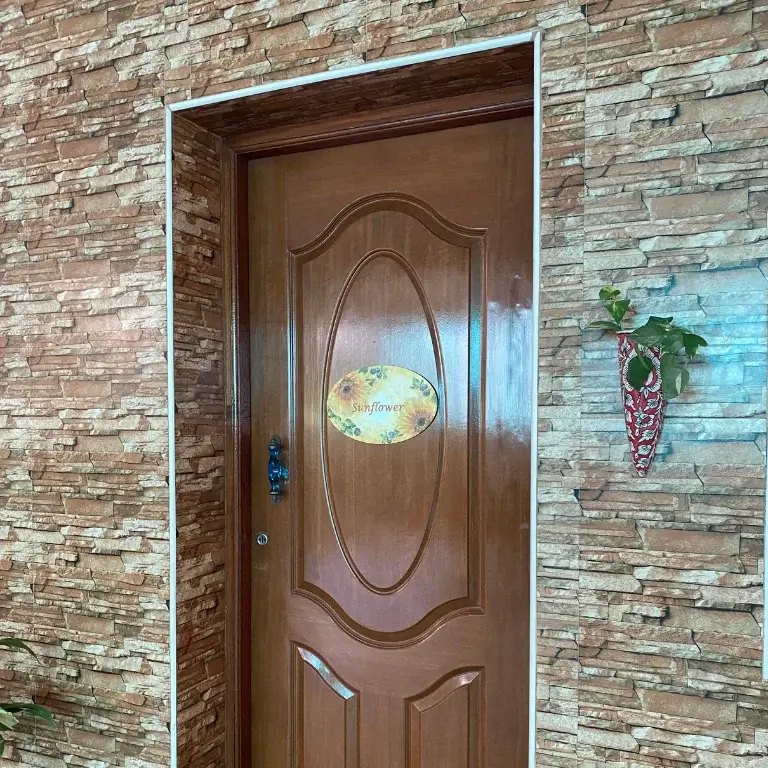
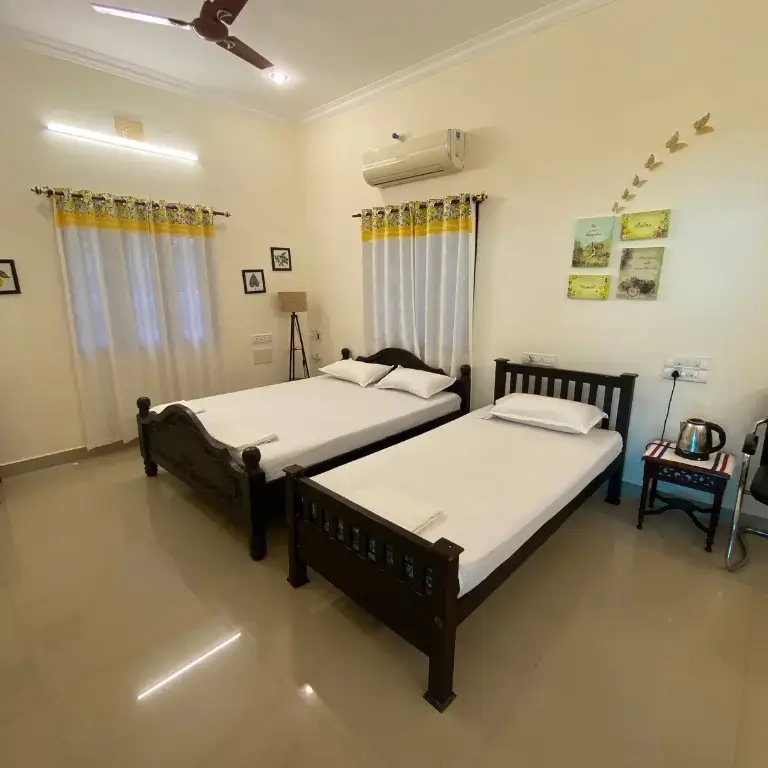
The best part of a homestay is its authenticity. When you wake up to the smell of breakfast from your host family, you make special memories. Enjoying evening tea while learning about local customs adds to this experience. These moments go beyond what typical tourists experience.
It can vary from simple spare rooms to more comfortable guest quarters with private bathrooms. No matter the setup, the focus is on personal connection and cultural exchange. Many travelers find that friendships made during their stay last long after they return home.
When you book a stay, you will communicate with your hosts before you arrive. Many hosts share house rules, meal times, and cultural expectations ahead of time. Respecting household routines and local customs helps everyone have a good experience.
Most homestay hosts enjoy sharing their culture and learning about yours. Bring small gifts from your home country, show interest in their lives, and join in household activities when invited. These gestures build respect and enrich your stay.
Privacy levels can vary. Some offer private entrances and guest quarters, while others involve more shared living. Make sure to clarify your preferences during the booking process.
Many platforms and agencies help connect travelers with good homestay hosts. Read reviews, look at photos, and ask questions before booking. Clear communication about dietary needs, allergies, and personal preferences helps match you with the right hosts.
Think about location—do you want a rural stay in nature or an urban one near attractions? Each has its own benefits based on your travel goals.
Rural Homestays
Stay in villages to enjoy local culture, traditional food, and community life.
Luxury Homestays
Stay in private homes with top-notch amenities, great service, and beautiful views.
Eco-Friendly Homestays
Stay in places that care for nature, use renewable energy, and serve organic food.
Heritage Homestays
Stay in restored homes or palaces that show off traditional architecture and history.
Plantation Bungalows
Stay in colonial-style homes on tea, coffee, or spice plantations for a peaceful nature escape.
Approach your homestay with an open mind. Embrace differences, try new foods, and join family activities. Ask about traditions, local history, and daily life. Your curiosity will be welcomed and returned.
Remember, you are a guest in someone’s home. Tidying your space, respecting quiet hours, and showing gratitude for meals and hospitality are important. Many travelers stay in contact with their homestay families for years. They often return for visits. Sometimes, they host their homestay families when they travel.
A homestay offers more than just a place to stay—it gives you a look into local life that can make your trip special. Homestays offer something special for everyone. They are great for solo travelers. Families can enjoy cultural education. Couples can find real experiences.
You cannot copy content of this page